
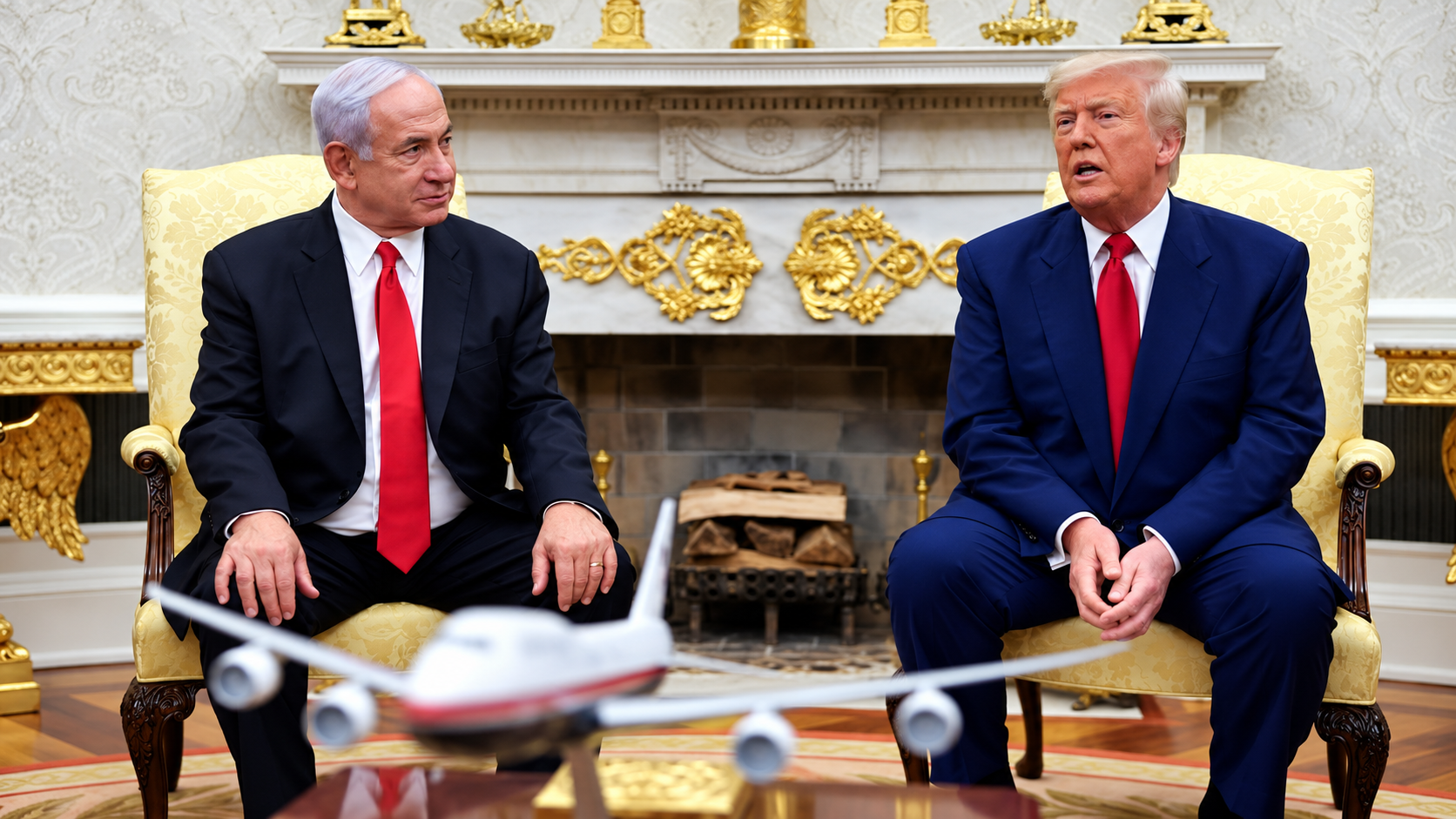
A widening debate over how the United States and Israel would respond to Iran's nuclear and missile programs continues to unfold, placing President Donald Trump and Prime Minister Benjamin Netanyahu under growing scrutiny over their approach to Tehran. Public signals and reporting have suggested tensions between a broad security posture that could include deterrence, diplomacy, and limited military options, and the political constraints each leader faces at home and abroad. Analysts say that the divergence in emphasis—between an aggressive stance and a more cautious pathway—has become a focal point in regional diplomacy and in discussions with allies.
Netanyahu's political challenges, including coalition dynamics and domestic pressures, are shaping what type of posture is sustainable in Jerusalem. The Israeli prime minister has long prioritized what he characterizes as credible military deterrence against Iran, but coalition partners and public opinion can influence the tempo and scale of action. In Washington, the administration faces its own set of constraints, including congressional dynamics, public opinion, and international diplomacy considerations, all of which affect how aggressively the United States pursues Iran-related goals.
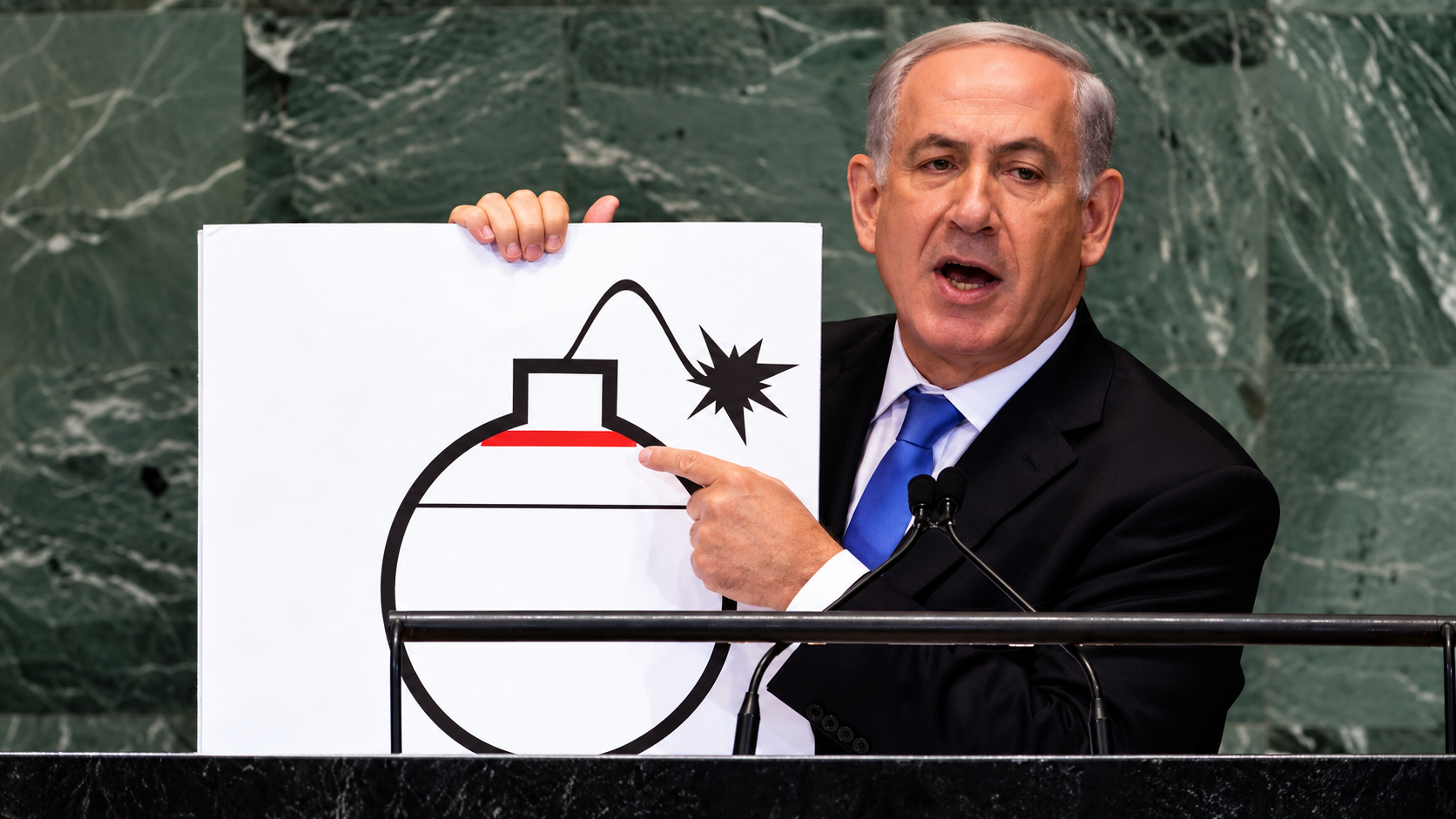
Iran's regional influence and its missile program remain central to security calculations for both capitals. Tehran's ballistic missile capabilities, its network of regional proxies, and its expanding influence across the Middle East are frequently cited by officials seeking a multi-pronged approach to containment. The precise mix of sanctions, diplomacy, and potential military options is a matter of ongoing debate among policymakers and analysts, with no single blueprint presently agreed upon by all allies.
The broader question is how Washington will balance commitments to Israel with a broader regional strategy as tensions persist across the Middle East and the Strait of Hormuz. The narrowest view emphasizes deterrence and allied coordination, while critics worry about over-reliance on military options without sufficient regional consensus or a durable diplomatic track. In public discourse, representatives from both capitals stress the importance of security guarantees for Israel, but the shape and longevity of future American support remain uncertain as strategic calculations evolve in response to Iranian actions and regional developments.
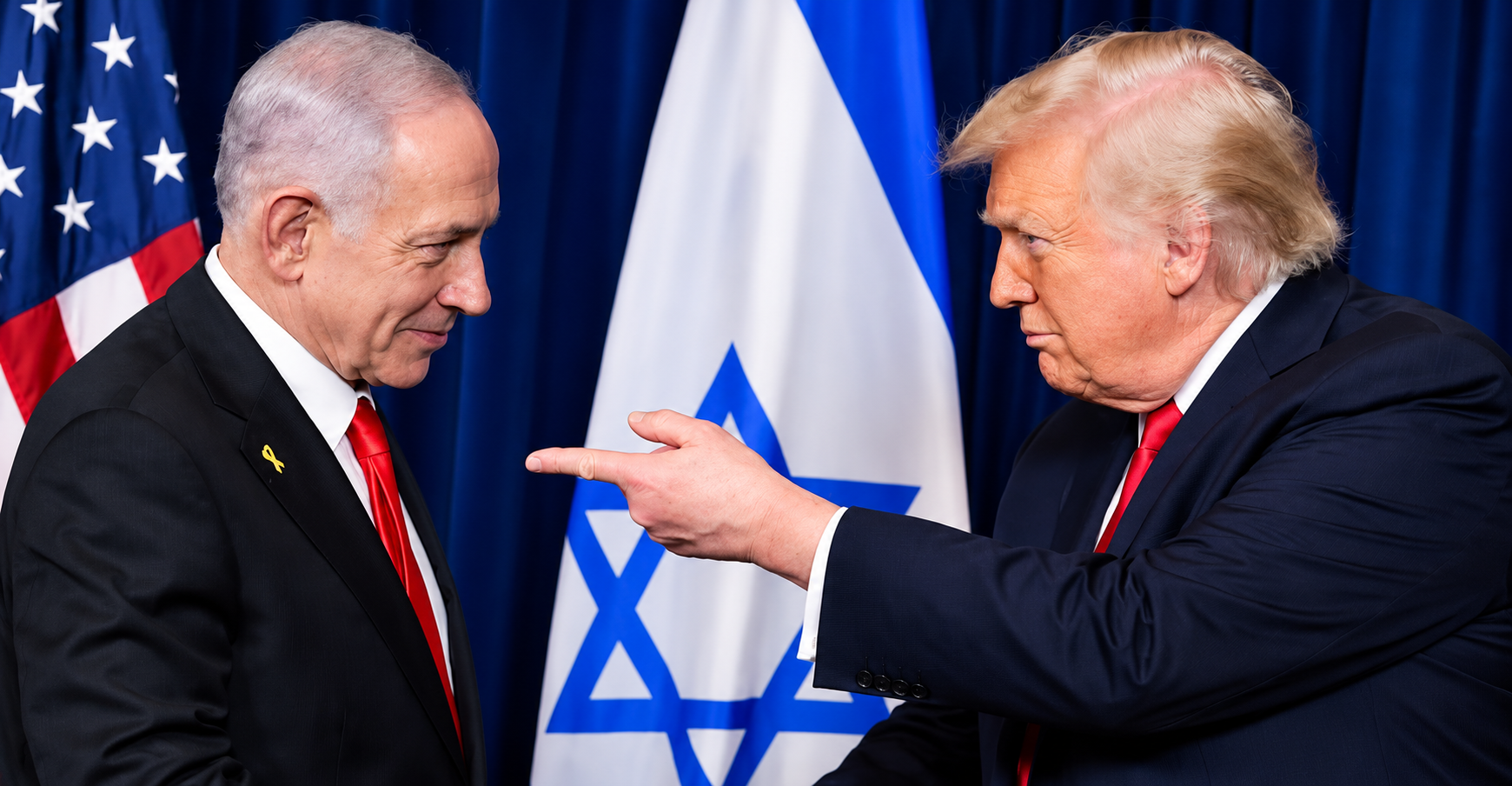
Experts caution that policy is likely to be incremental rather than a single, sweeping decision. Expect a continuum of measures—targeted sanctions, intelligence sharing, joint exercises, and calibrated military options—paired with renewed diplomatic engagement with partners across the region. The situation underscores a broader trend: American involvement in the Middle East is moving toward a multi-vector approach that seeks to combine deterrence with diplomatic engagement, while Israel weighs the risks and benefits of different pathways in coordination with Washington.
As the region remains volatile, officials say there is continued consultation between Washington and Jerusalem, but the precise contours of any future security guarantees or military actions remain unclear. The ongoing debate will shape not only the bilateral relationship but also the security calculus of regional actors who watch closely for any sign of a shift in American commitments. This is a developing story that will require careful verification as new information emerges and as both leaders respond to evolving threats, domestic pressures, and international diplomacy considerations.