
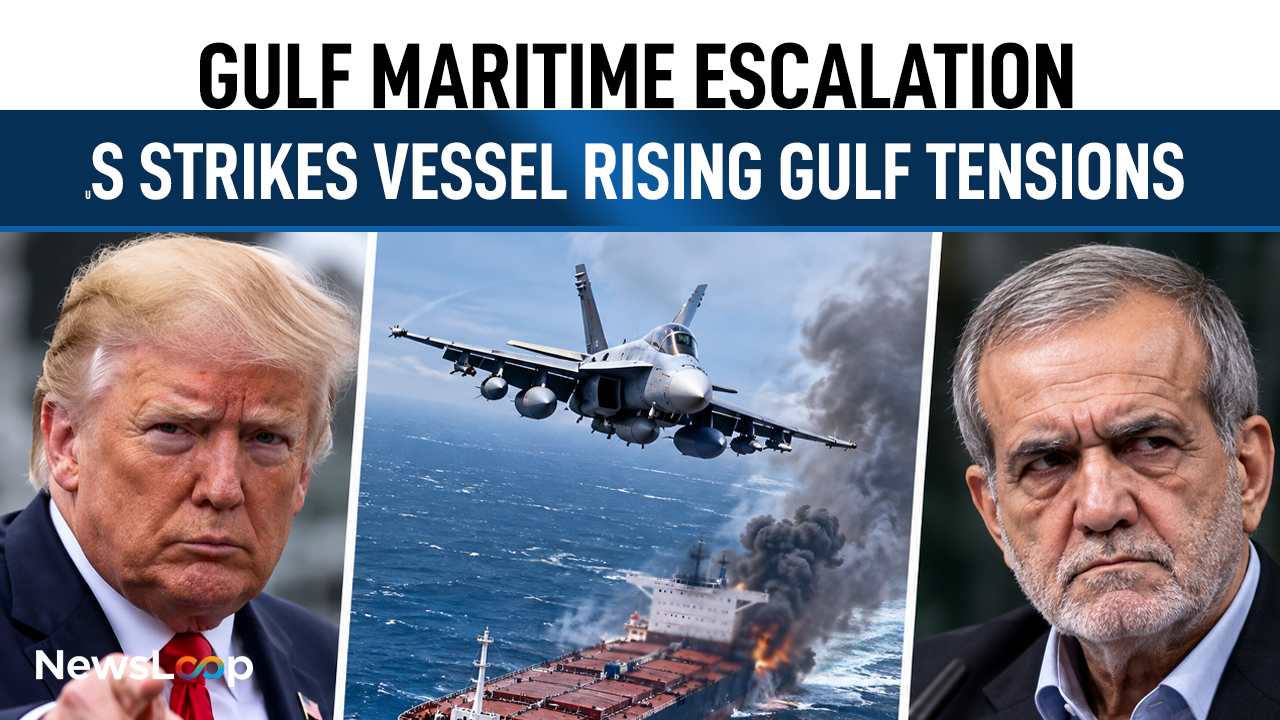
Tensions in the Israel-Iran proxy dynamic have surged in recent days, with new reporting suggesting that elements of the Trump administration urged Israel to take independent action against Iran ahead of crucial elections. The assertions, which remain unverified by official public statements, would represent a notable shift in the usual pattern of intergovernmental coordination in the region. Officials and analysts cautious about the claims emphasize that no definitive public confirmation has been provided by the White House or Jerusalem, and they stress the need for careful attribution when discussing high-stakes diplomacy.
In Washington and Jerusalem, the discussions, if they occurred as alleged, would raise questions about the balance between allied coordination and the risk of unintended escalation. Israel has long maintained it reserves the right to act in self-defense against perceived Iranian threats, while the United States has, in recent years, sought to deter Tehran through a combination of diplomacy, sanctions, and military deterrence. Observers note that timing around elections can complicate decision-making and raise the political stakes for leaders facing domestic pressures.
Separately, the U.S. Navy confirmed that the aircraft carrier USS Abraham Lincoln completed a lengthy Middle East deployment and returned to San Diego. The carrier strike group spent months operating in the region, conducting maritime security operations, air defense drills, and joint exercises with regional partners. Officials did not provide a granular public accounting of every operation, but defense sources and regional observers describe a period of heightened activity intended to deter dangerous actions by Iran and its proxies and to reassure partners in the Gulf and beyond.

The juxtaposition of these two strands—the reported push for unilateral Israeli action and the Lincoln's return to port—highlights the broader ambiguity surrounding the future of regional stability. Analysts caution against assuming a single, clear policy trajectory from such a confluence of signals. Some suggest that public discussion of possible unilateral options could reflect a broader strategic posture rather than a concrete plan being executed. Others warn that casting actions in the realm of potential or hypothetical scenarios risks feeding misperceptions among Tehran's leadership and among Iran's regional allies.
For Netanyahu's government, the claims intersect with domestic political considerations and ongoing security concerns about Iran's regional activities. Tehran has repeatedly signaled that it will respond to perceived pressure with consonant or escalatory moves, a calculus that could influence Israel's own strategic calculations. In Washington, the topic intersects with election dynamics, congressional oversight, and the administration's own risk assessment for a potentially flare‑up-prone region. At this stage, officials emphasize that there is no official public confirmation of a formal plan or directive directing Israel to act without coordination with the United States.

As viewers of this story weigh the competing narratives, the central questions remain: What exactly was discussed behind closed doors, and what are the practical implications for Israel's foreign policy and for U.S. regional strategy? How will Tehran interpret any shift toward greater Israeli autonomy in confronting Iran? And what does Lincoln's homecoming signal about the current tempo of U.S. naval operations in the Gulf and the broader strategic balance in the Middle East? The answers hinge on official disclosures, which have yet to fully illuminate the intentions of the parties involved. In the meantime, regional stakeholders are monitoring signs of potential escalation, while policymakers weigh the political and military risks of different pathways forward.
This story is part of an ongoing set of developments about Iran, Israel, and U.S. strategy in the Middle East. Officials say the situation remains fluid, with diplomacy, deterrence, and the possibility of misinterpretation all playing a role in how events unfold. Readers should expect further briefings as authorities offer more clarity on what was discussed, what was decided, and what it could mean for regional stability in the weeks ahead.